Current
Vladimír Houdek - Between the finite and the infinite
- Dates
- 17.09.2026 – 23.10.2026
- Opening
- 17.09.2026 17:00
- Venue
- Roman Fecik Gallery
- Address
- Zámočnícka 8, 811 03 Bratislava
- Curator
- Zuzana Danková
Press release
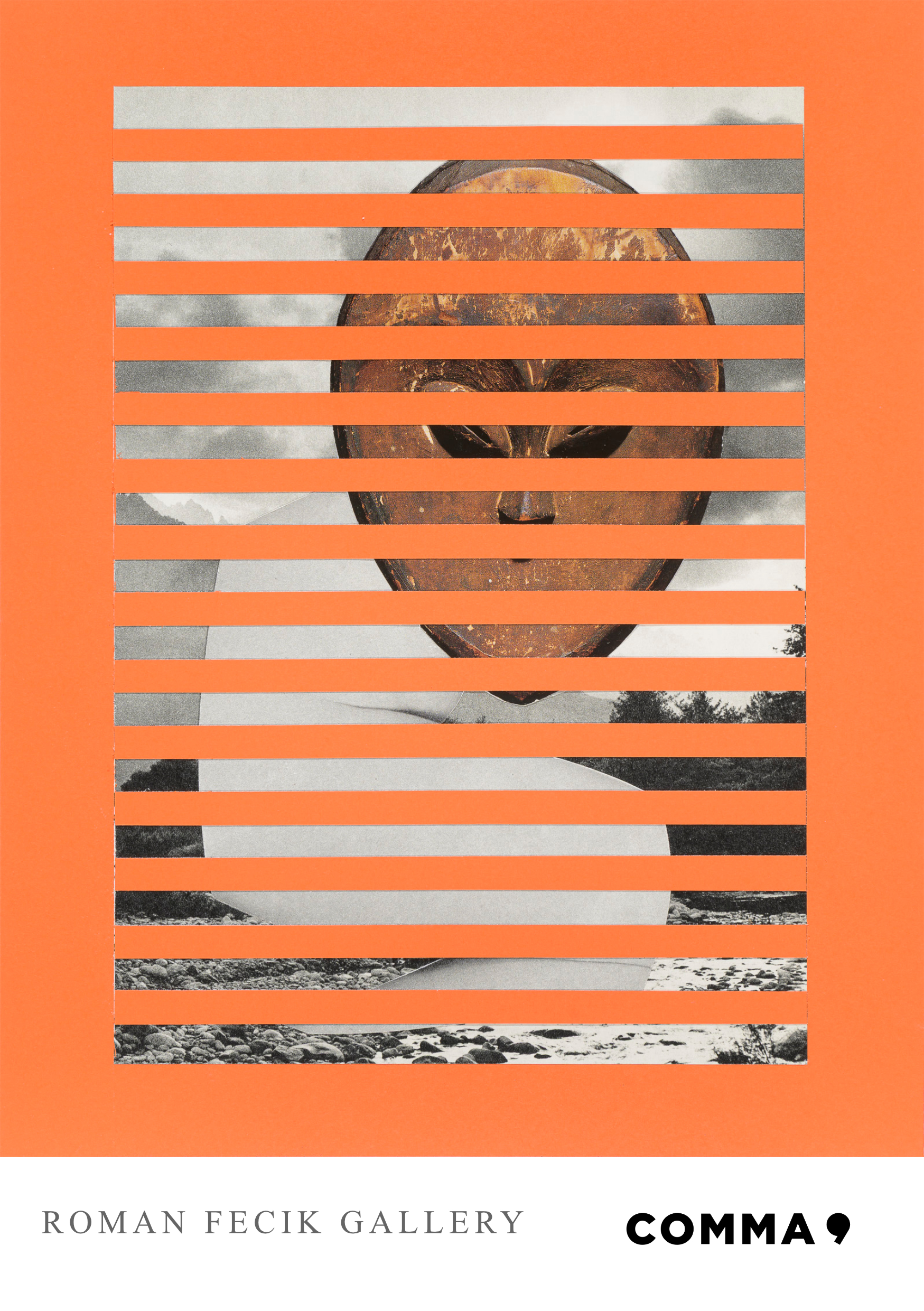
Vladimír Houdek is one of the most distinctive figures in contemporary Czech painting. His work has long moved along the boundary between painting and collage, geometric construction and expressive gesture. Across his individual cycles, he keeps returning to questions of the human being, of identity, and of our relationship to a world that we create and transform, yet of which we are only a minute part.
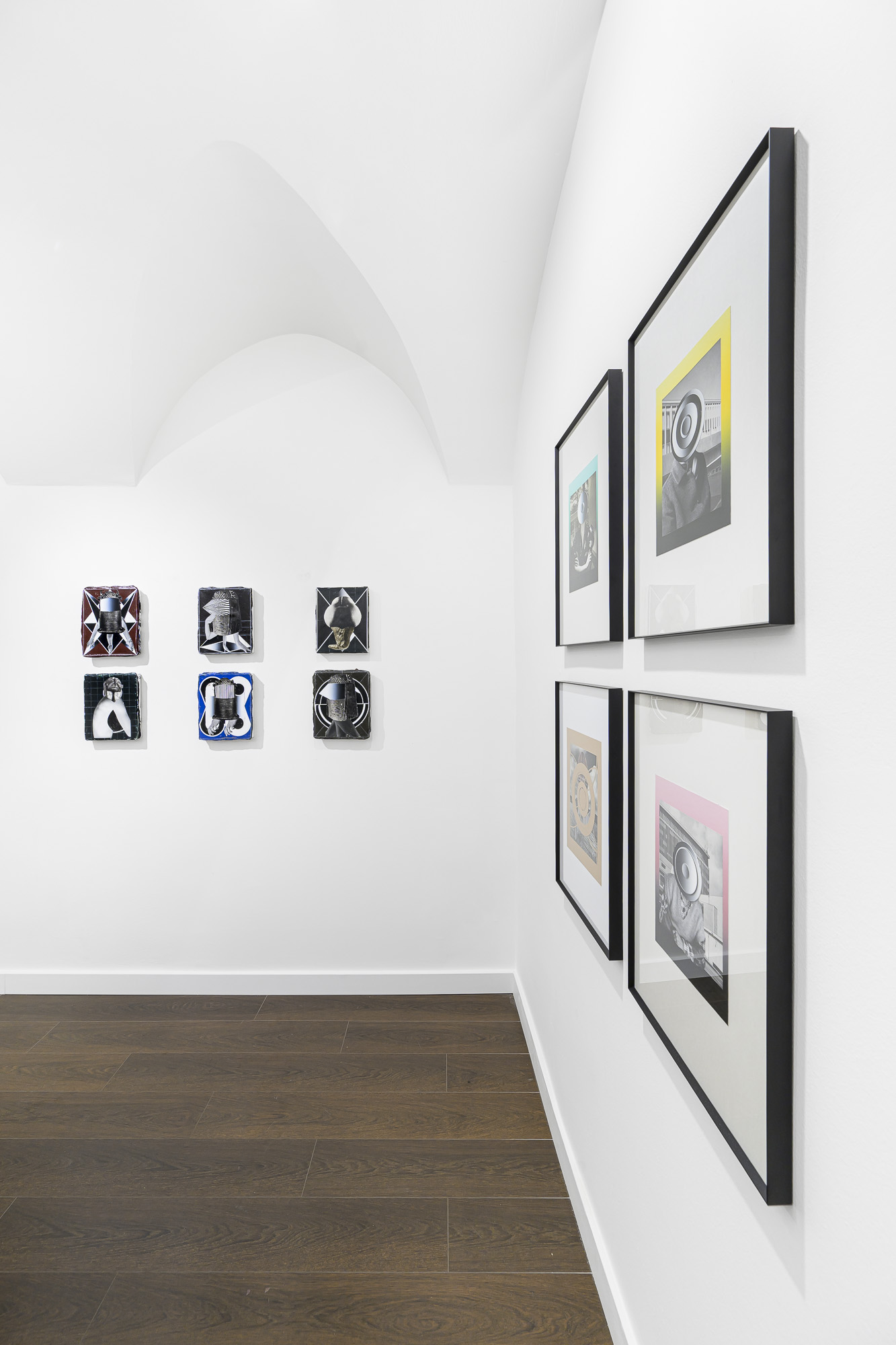
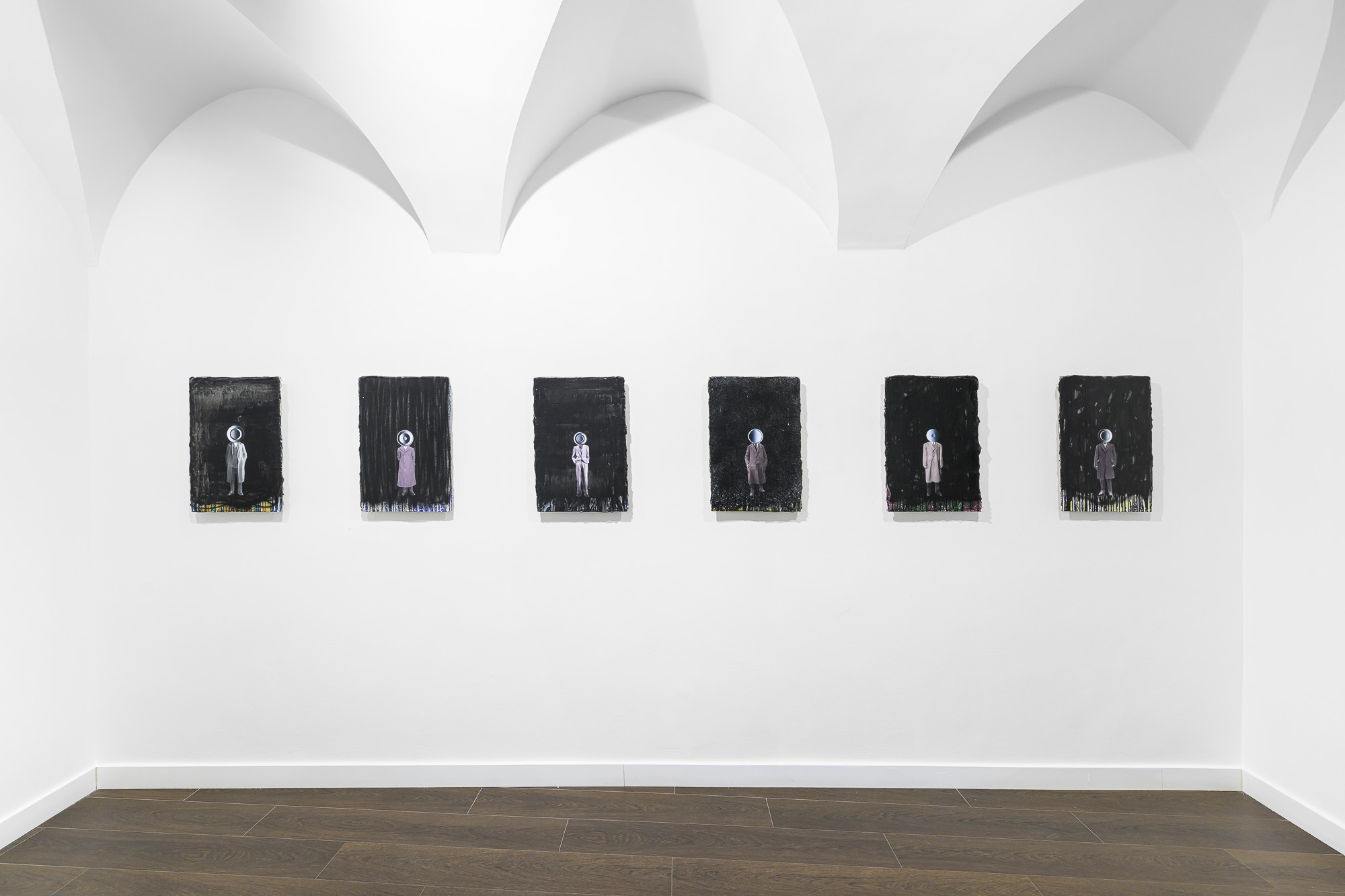
The current exhibition brings together two thematic strands of Houdek's work, separated by several years. On one side stands a series from 2018–2020, built on motifs of the tool, the machine and technological progress; on the other, his most recent cycle, Parallel Self, in which the human figure, landscape and the cosmos move to the centre of the picture. Despite their apparent distance, the two bodies of work share a similar line of thought – about the human desire to exceed one's own limits, about the relationship between the finite and the infinite, and about visions of the future. In the earlier cycle, Houdek draws on the legacy of early twentieth-century modernist painting and its fascination with a new world. Geometric forms, mechanical fragments and tools refer to technological progress, but also to the utopian human longing for perfection. Here the tool is not merely an object. It becomes a symbol of the human need to create, to perfect and to reshape the world according to one's own ideas. Technology is a product of human imagination, yet at the same time a force that in turn transforms the human being. Already in these works, behind the geometric constructions and mechanical forms, questions emerge that Houdek in his latest work addresses directly to human existence: where are we heading, what remains after us, and what will become of our identity in the world of the future?
In the Parallel Self cycle, the human being – until then present mainly through what he creates – appears directly in the picture.
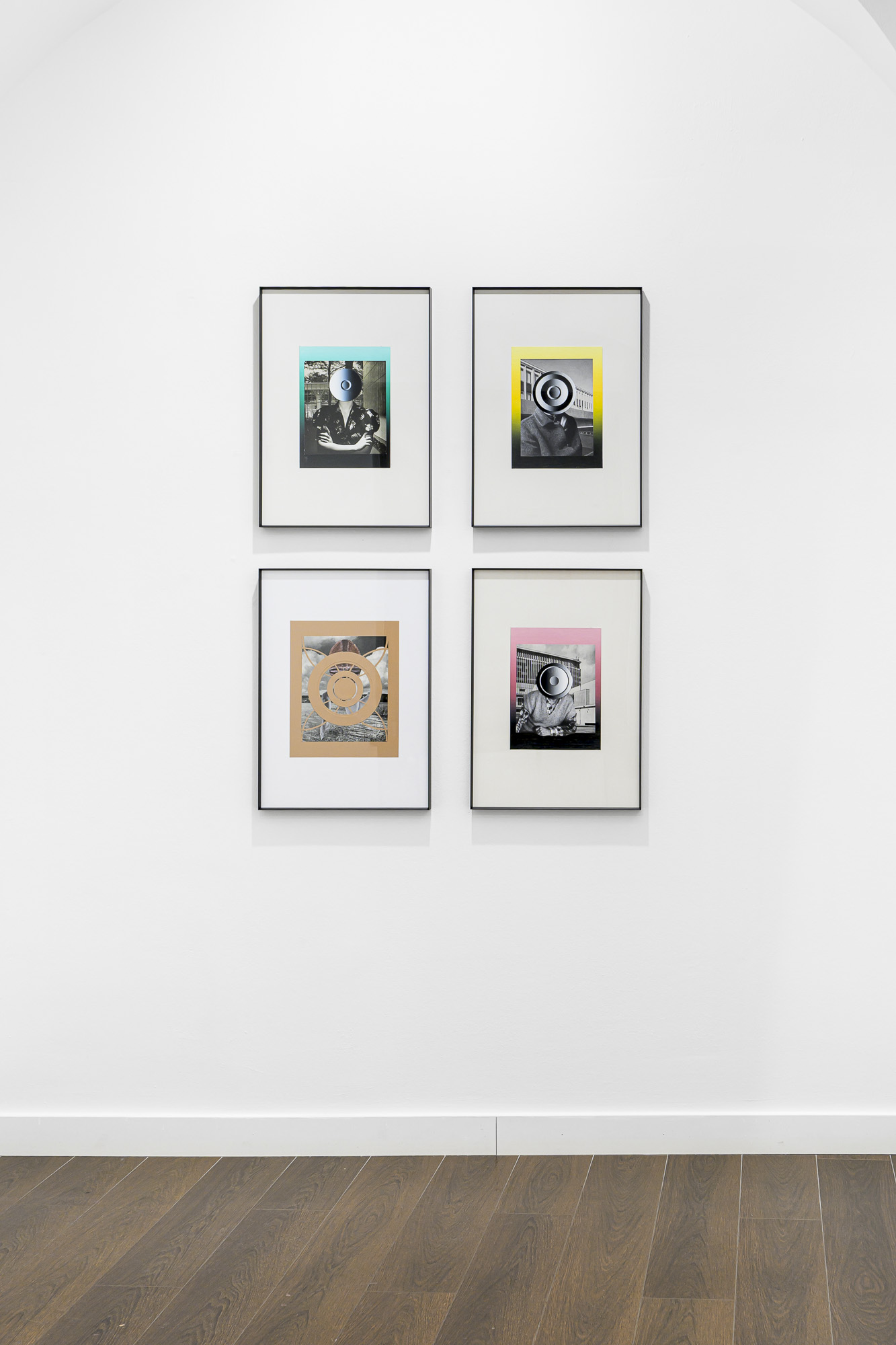
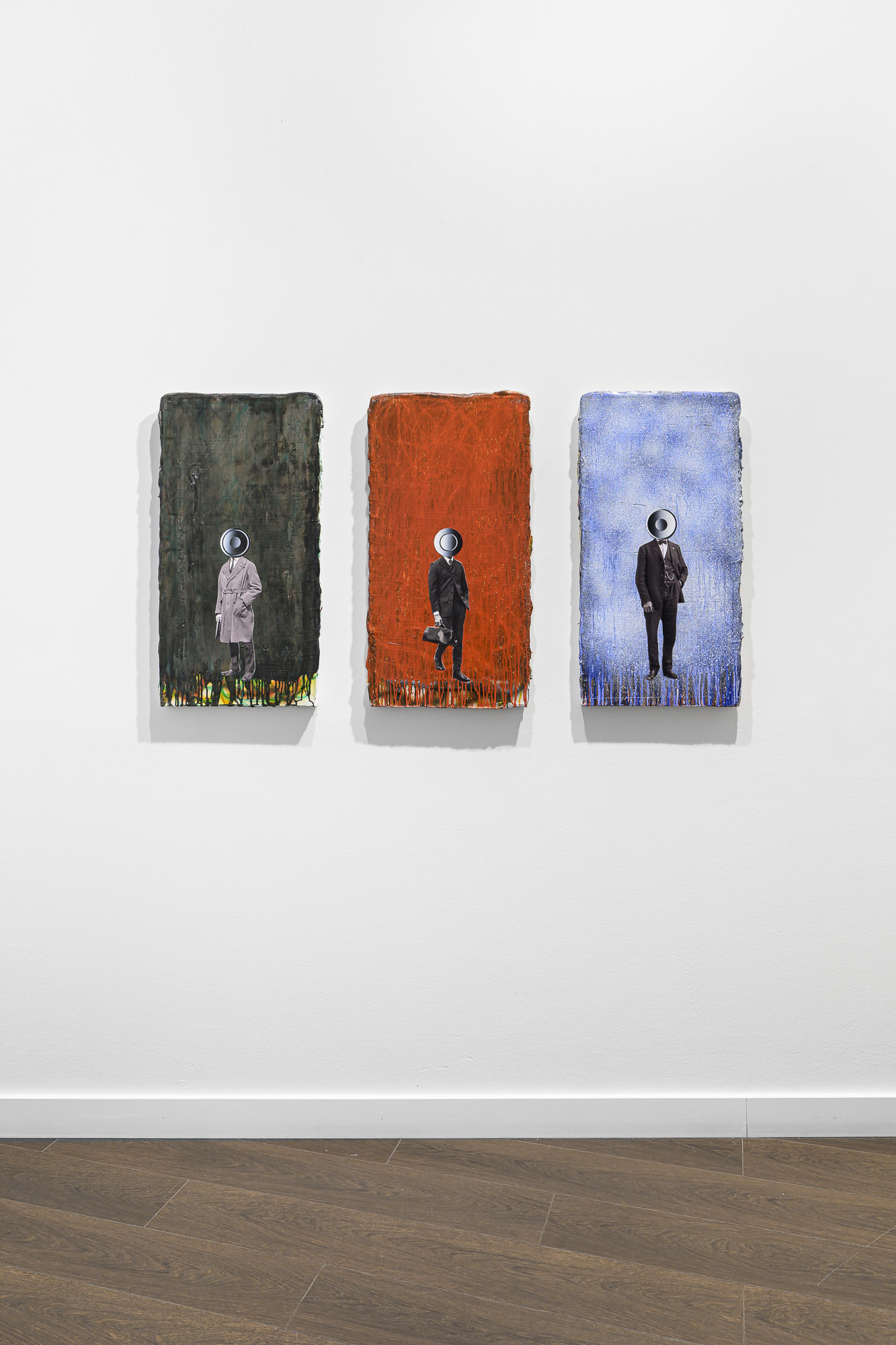
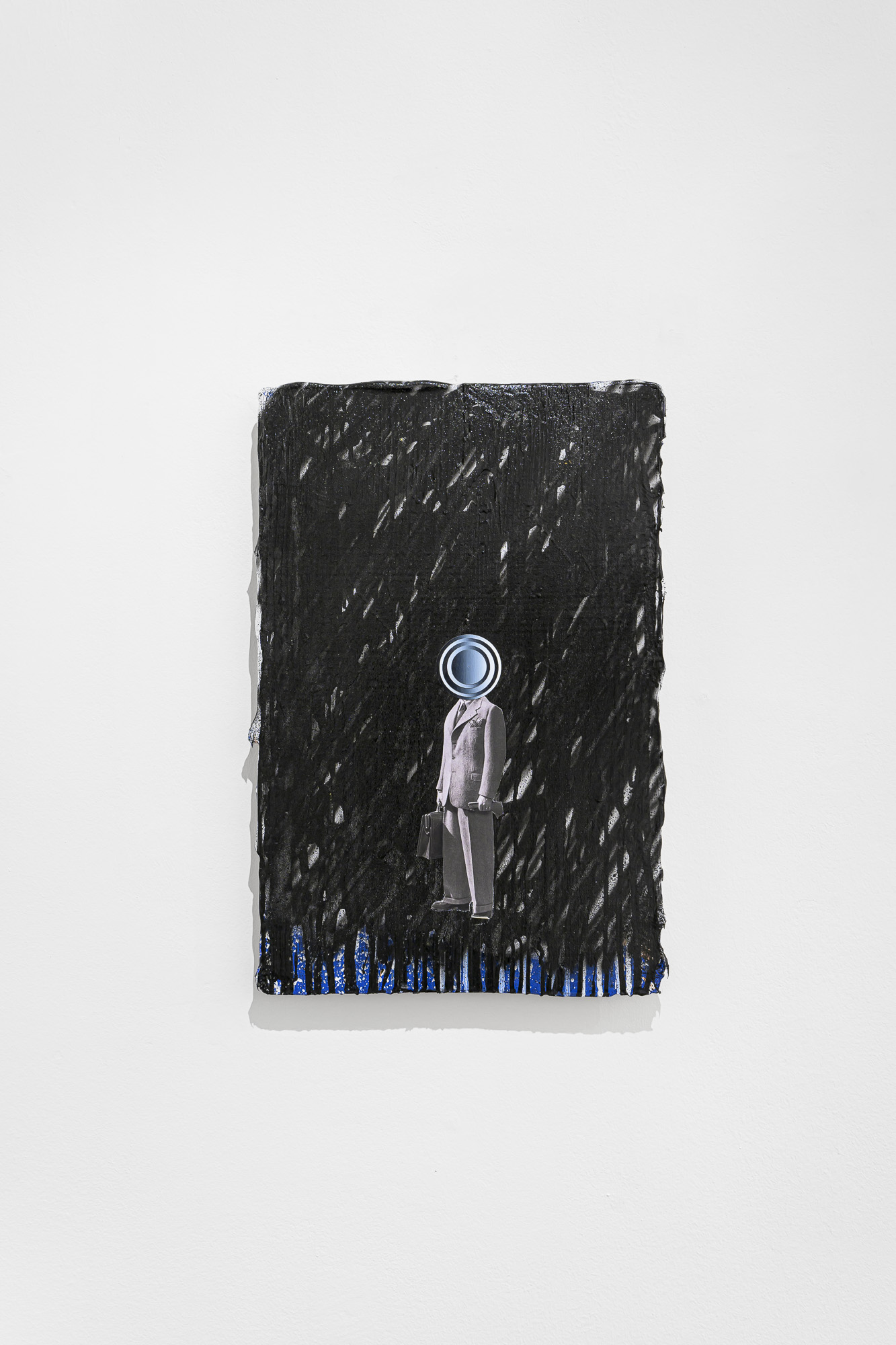
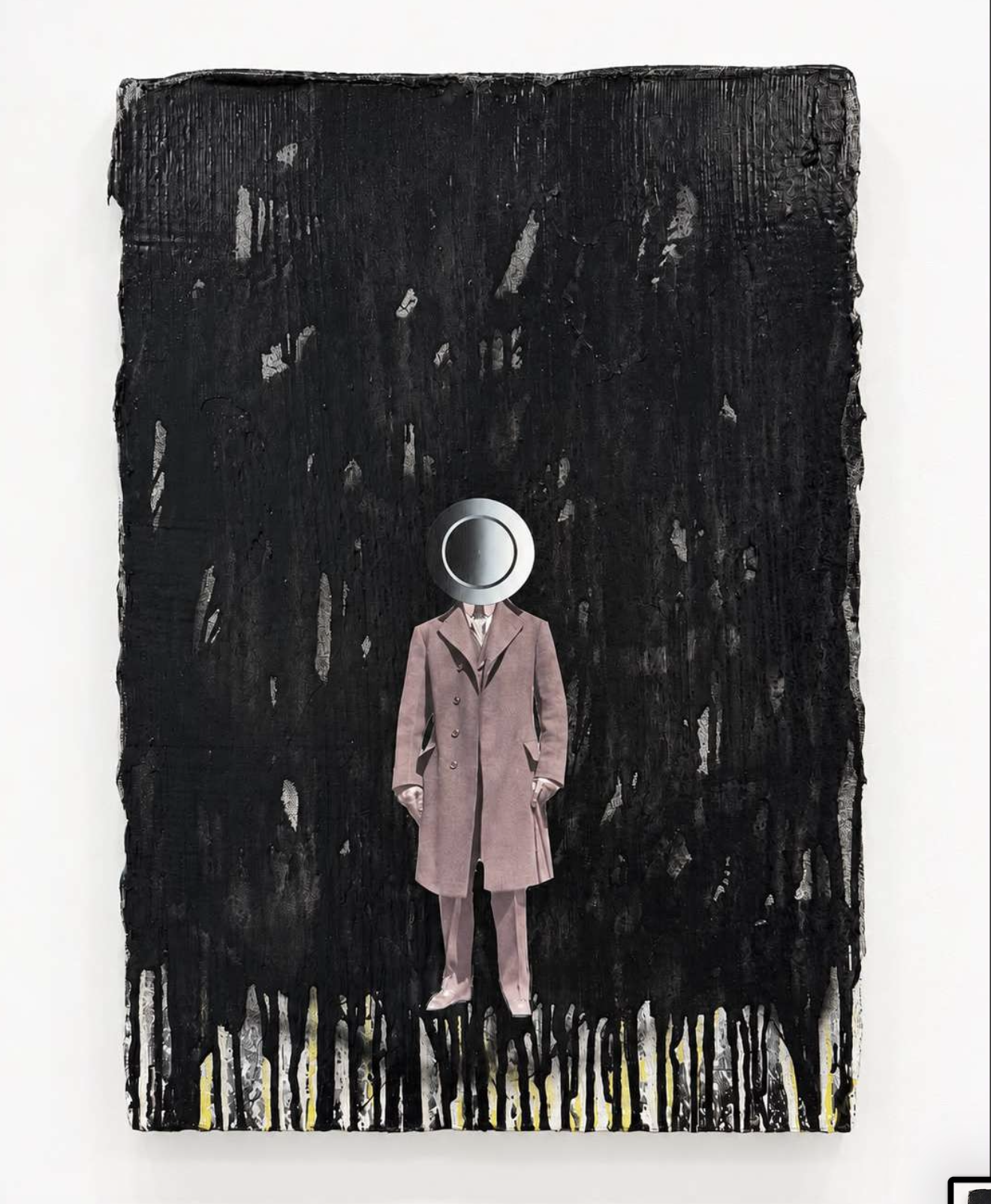
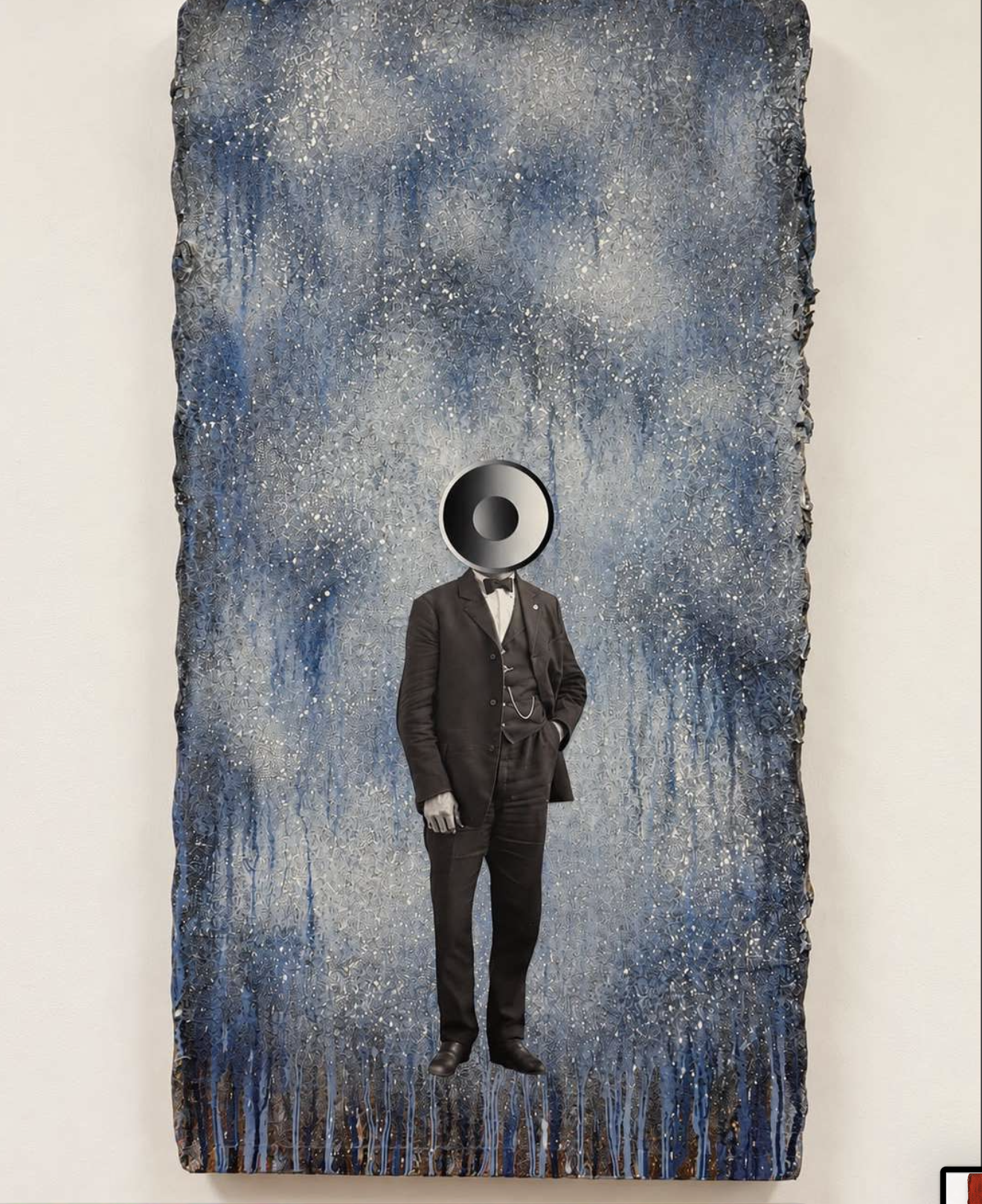
The central motif is a male figure. Static, clearly defined, and as if torn out of various centuries of our civilisation. In place of a head, however, it bears an abstract body. The face – one of the most fundamental markers of our identity – disappears. What remains is a circle within a circle, a head within a head, a planet or a celestial body. The finite within the infinite. The figure is also the artist's own Self. Houdek understands it as his parallel alter ego – a traveller through space-time moving between different eras, bodies and visions of the future. This motif has a very personal origin. The artist hardly travels at all and has avoided flying for roughly two decades. At a time when travel has become an almost self-evident part of life, he therefore creates his own parallel Self through painting. It can travel without limits – through the universe, through time and through visions of the future.
The new cycle also grows naturally out of the preceding, so-called yellow series, which COMMA Gallery presented at Houdek's last solo exhibition in Bratislava. The celestial bodies and abstract spaces that appeared there are gradually transformed into landscape in Parallel Self. One pictorial world thus flows seamlessly into another. The figure always stands before a landscape. The landscape is abstract, yet it still derives from real nature – from forests, fields, the countryside of the artist's home, or city parks. At the same time, it can become a landscape of the cosmos, of star clusters, planets and milky ways. The earthly and the cosmic can no longer be clearly separated. One of the most significant points of departure for the series is Romanticism, above all the work of Caspar David Friedrich. A key reference is his painting The Chasseur in the Forest of 1814 – a solitary figure in the midst of a monumental landscape that both surrounds and engulfs the human being. We do not know where the figure comes from or where it is going. We know neither its name nor its personal history. It is a human being in the middle of nothing and everything. It is precisely this Romantic principle that Houdek carries over into a contemporary painterly language. In his references, Friedrich and Jakub Schikaneder meet the pointillism of Georges Seurat, the fleeting light and shadow of Claude Monet and the landscapes of Gustav Klimt. The dot, the layer and the expressive gesture become the basic building blocks of the new paintings. The painting process itself is essential. All the works are made in acrylic, without the use of spray paint. Houdek paints some of them for weeks on end, and the finished picture may consist of twenty to thirty layers. Individual attempts vanish beneath later ones; the picture is repeatedly painted over, covered and created anew. The search for its final form is a constant process of trial and error. Here, too, Houdek builds on one of his lifelong inspirations – Abstract Expressionism, and above all the work of Joan Mitchell. Seen together, the two cycles on view reveal that the tool, the machine, the human figure, the landscape and the celestial body are not such distant motifs as they might seem at first glance. They are different forms of one of the oldest human desires – to cross the boundaries of one's own existence. In the earlier cycle, the human being crosses them through technology and the idea of progress. In Parallel Self, through imagination, time and infinite space.
Between the world that the human being creates and the world that infinitely exceeds him, there remains the human being himself. At times hidden behind his own tools, at others alone before the landscape. Finite in the midst of the infinite.
Works on view
Vladimír Houdek
Bez názvu, 2026
Akryl a koláž na doske
Vladimír Houdek
Bez názvu, 2026
Akryl, tuš a koláž na plátne
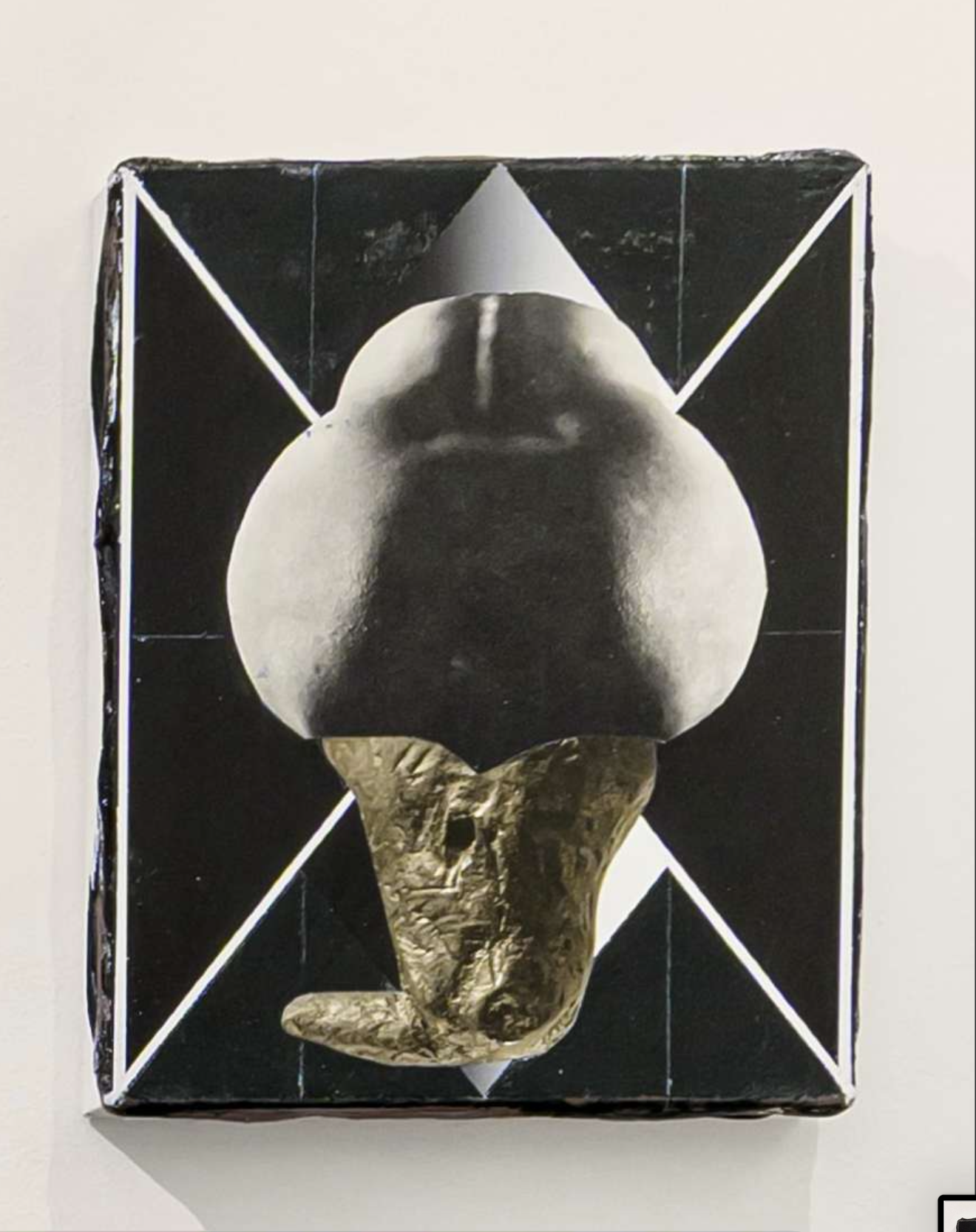
Vladimír Houdek
Bez názvu, 2019
Akryl, voskový pastel a koláž na plátne
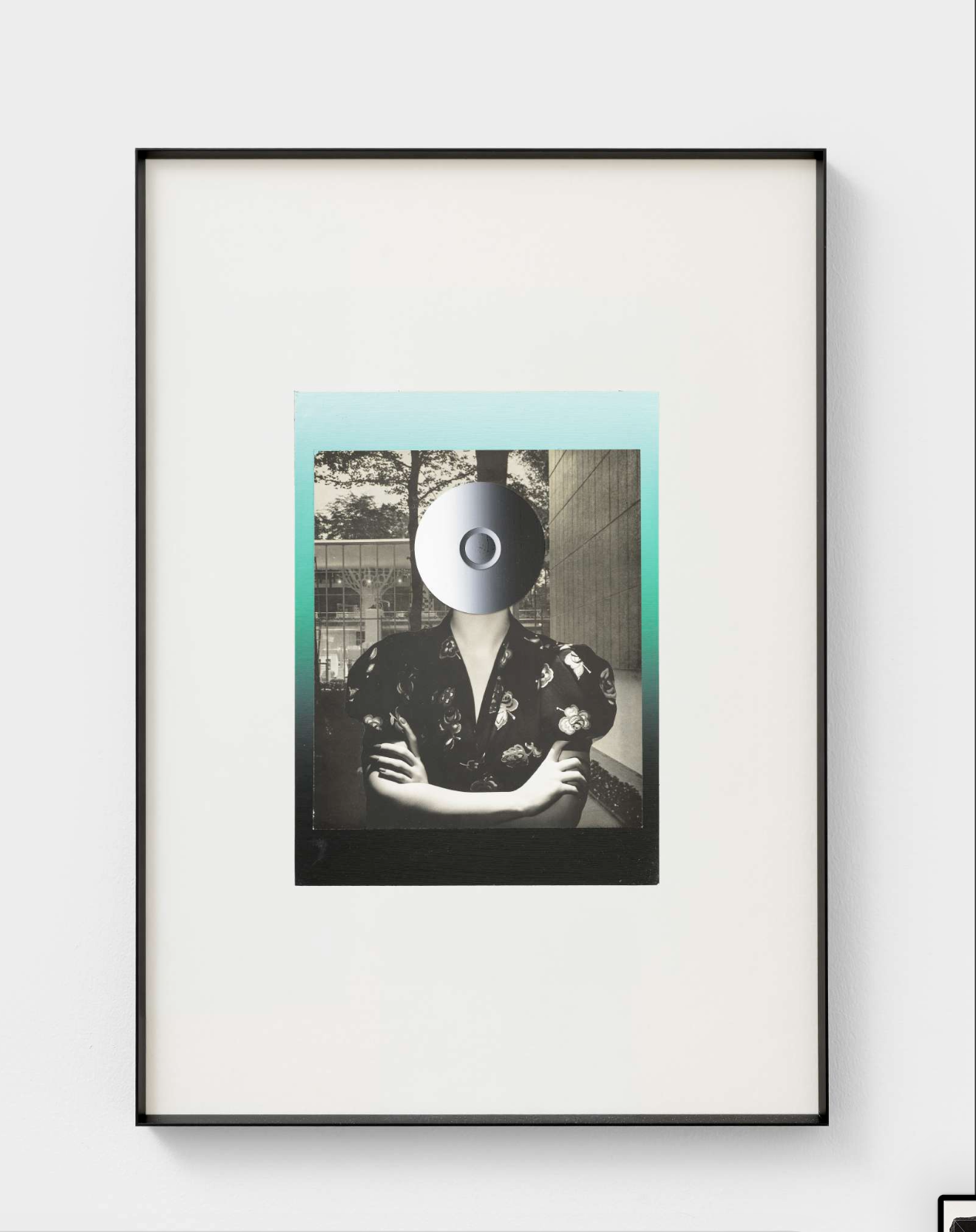
Vladimír Houdek
Bez názvu, 2026
Koláž na papieri, rámované
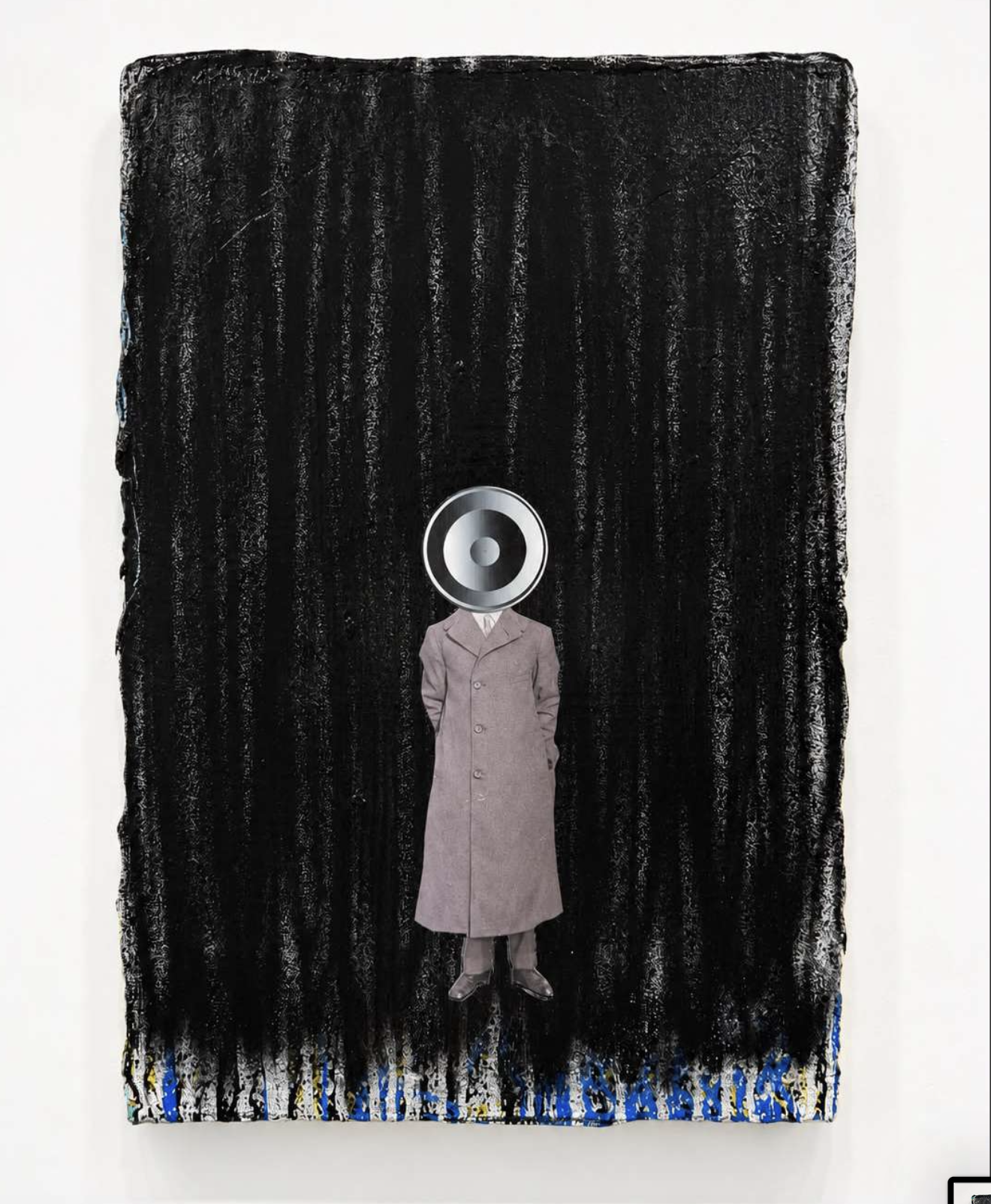
Vladimír Houdek
Bez názvu, 2026
Akryl a koláž na doske
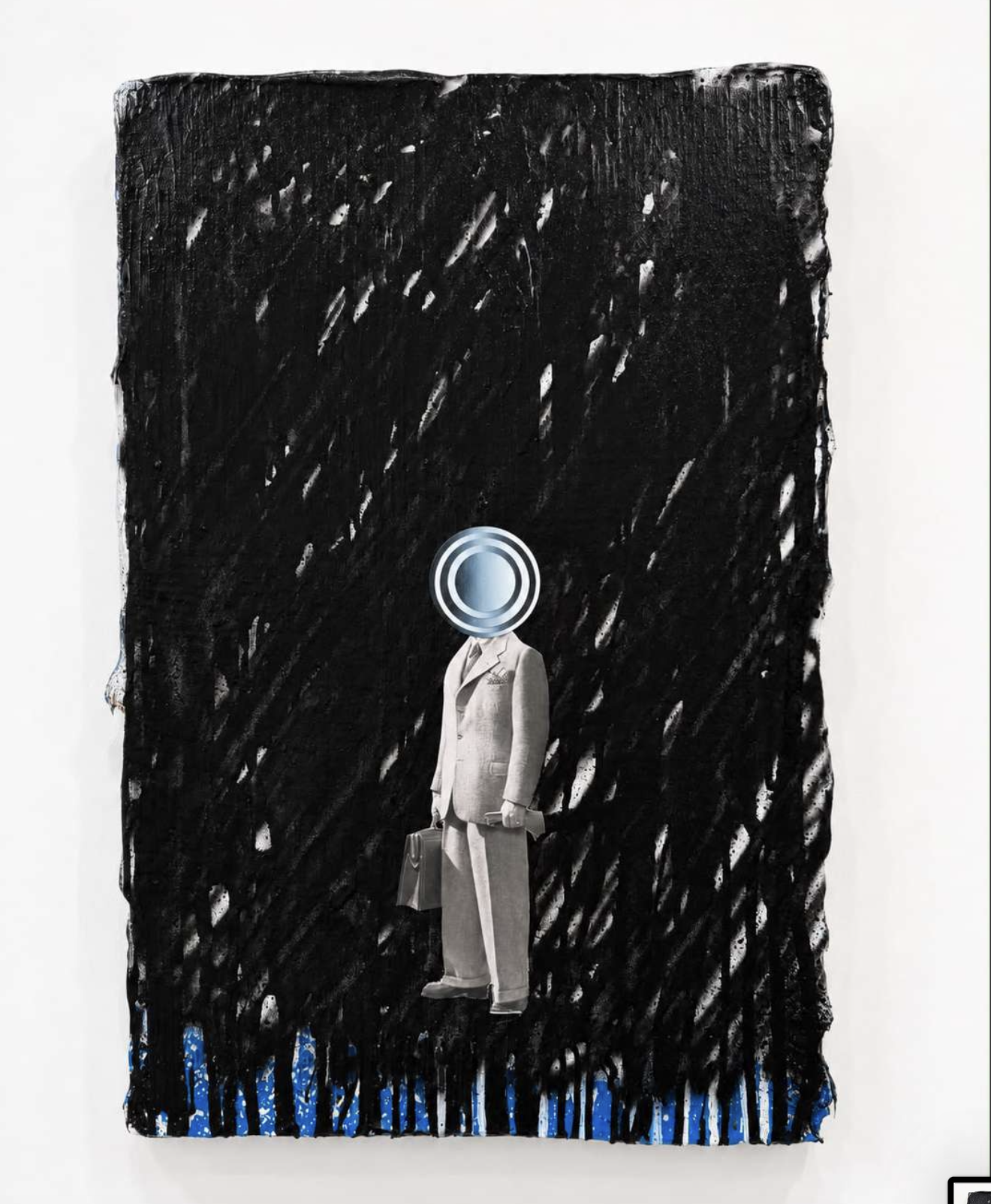
—
Bez názvu , 2026
Acrylic and collage on board
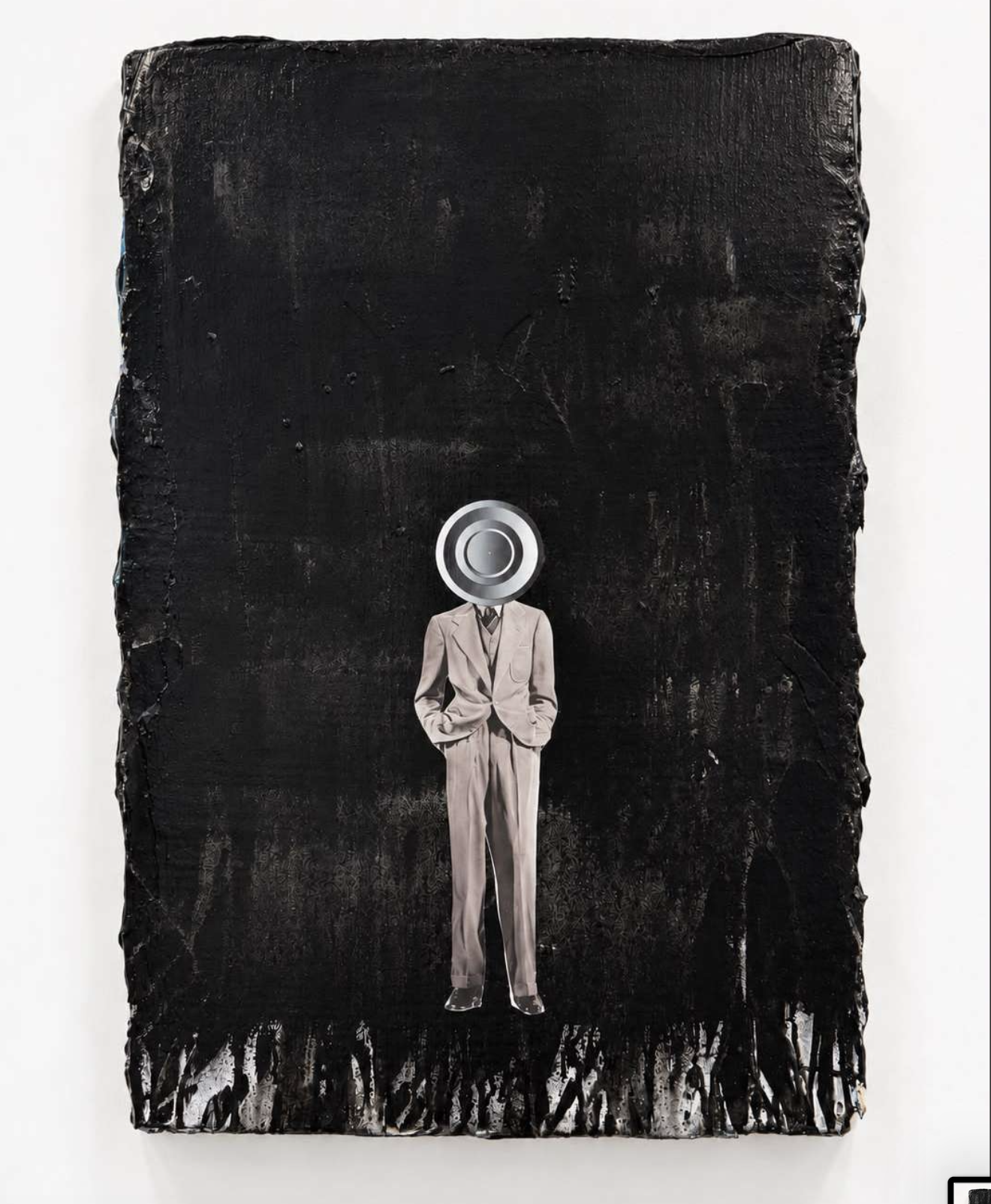
Vladimír Houdek
Bez názvu, 2026
Akryl a koláž na doske
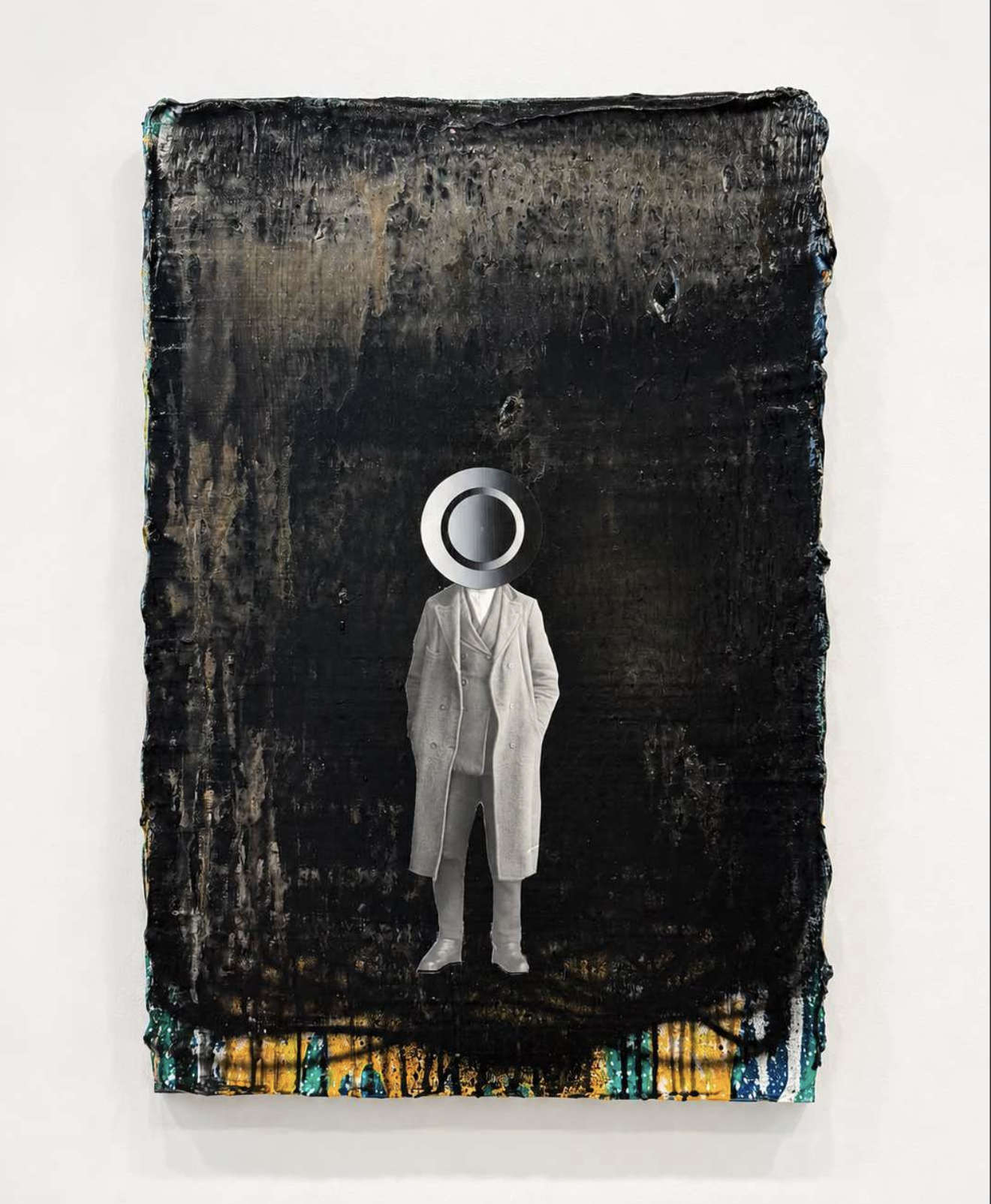
Vladimír Houdek
Bez názvu, 2026
Akryl a koláž na doske
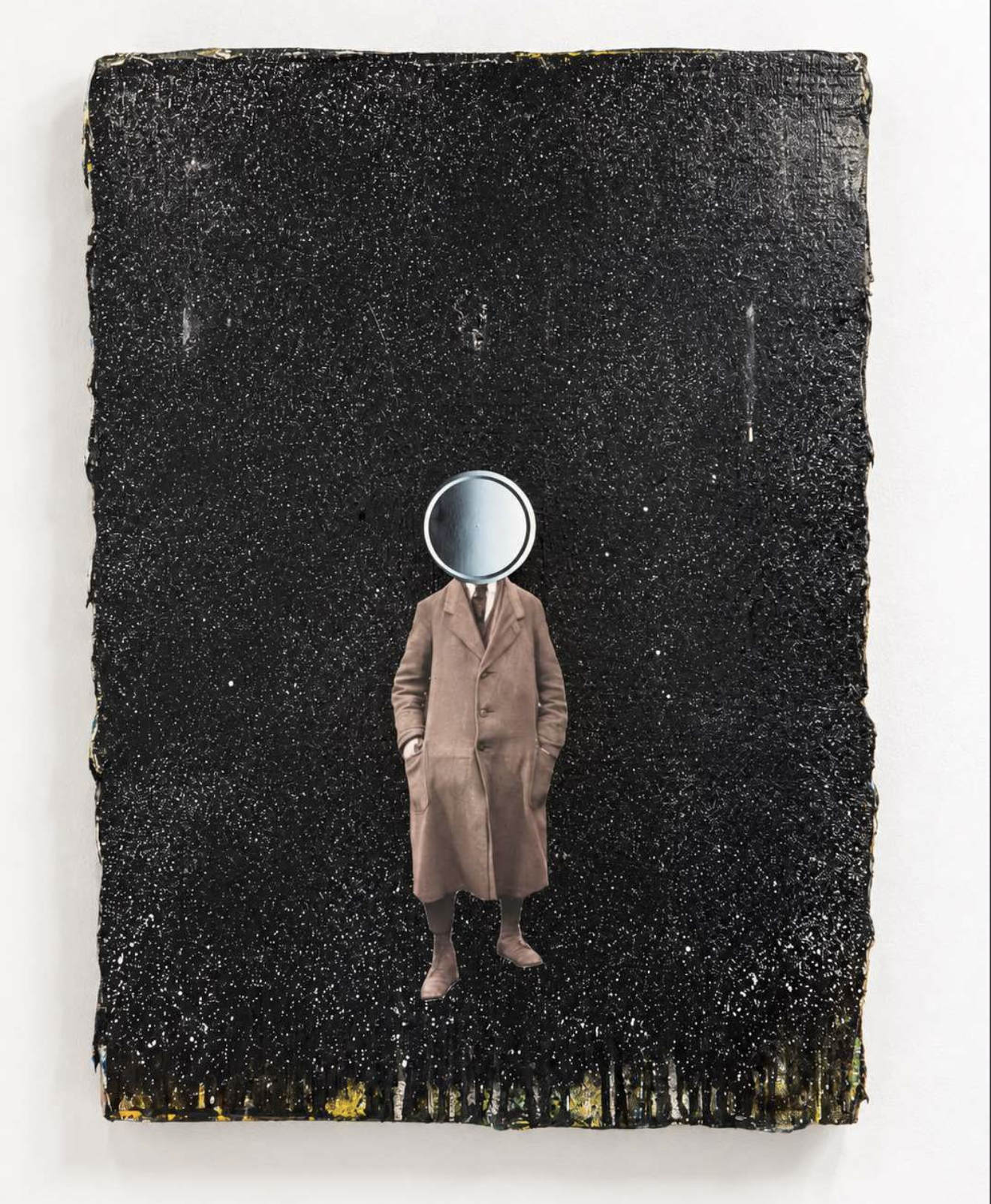
Vladimír Houdek
Bez názvu, 2026
Akryl a koláž na doske
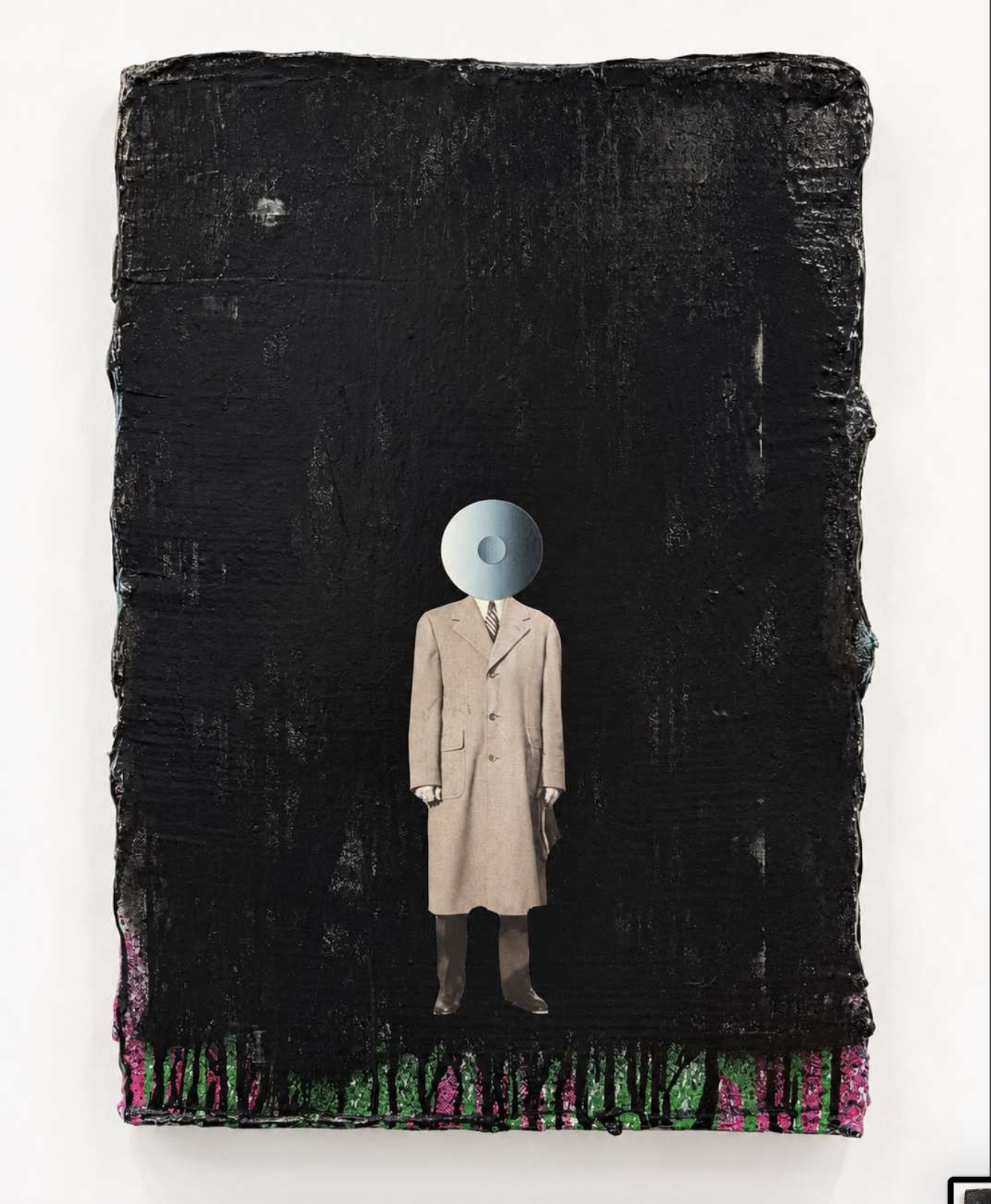
Vladimír Houdek
Bez názvu, 2026
Akryl a koláž na doske
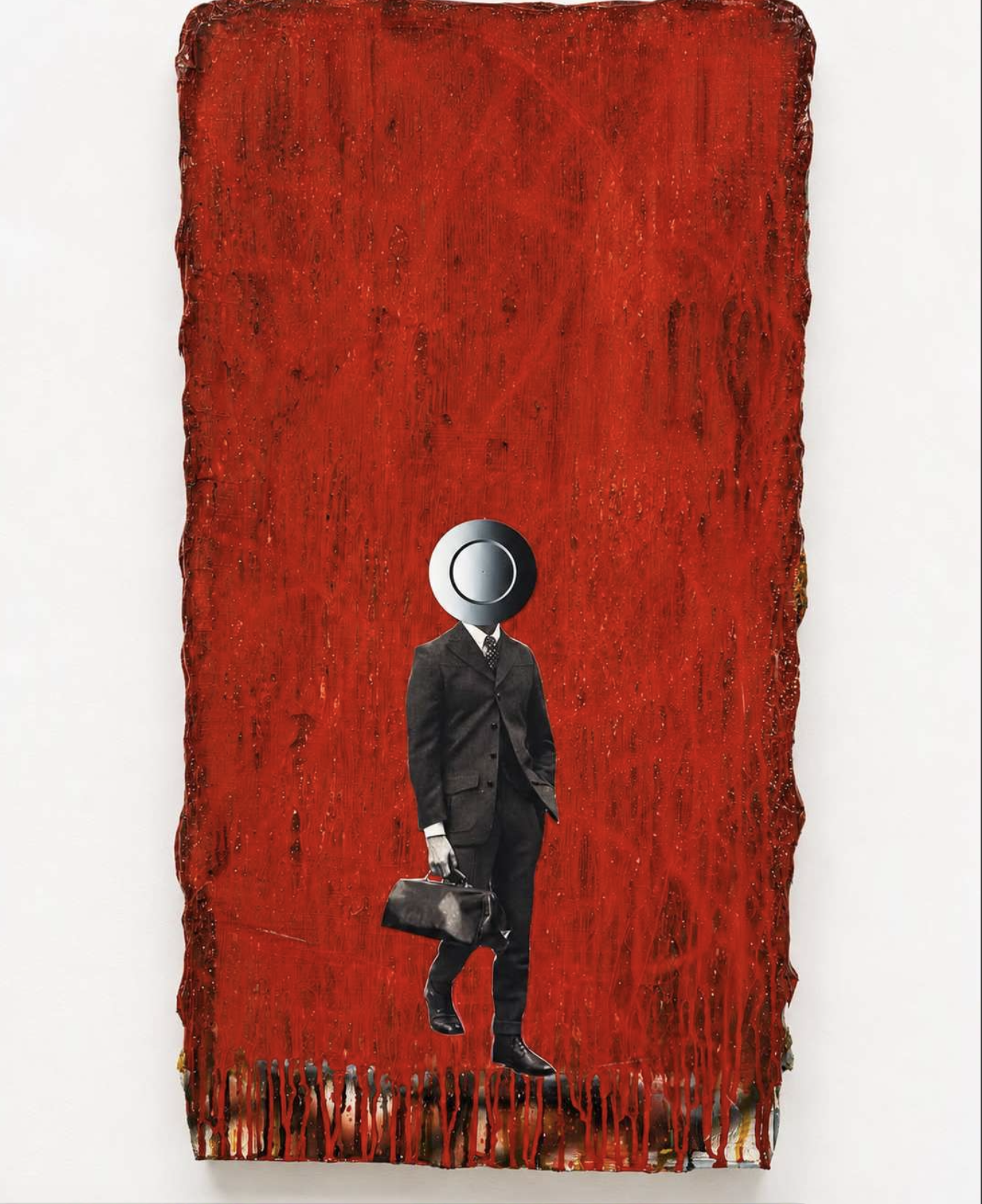
Vladimír Houdek
Bez názvu, 2026
Akryl, tuš a koláž na plátne
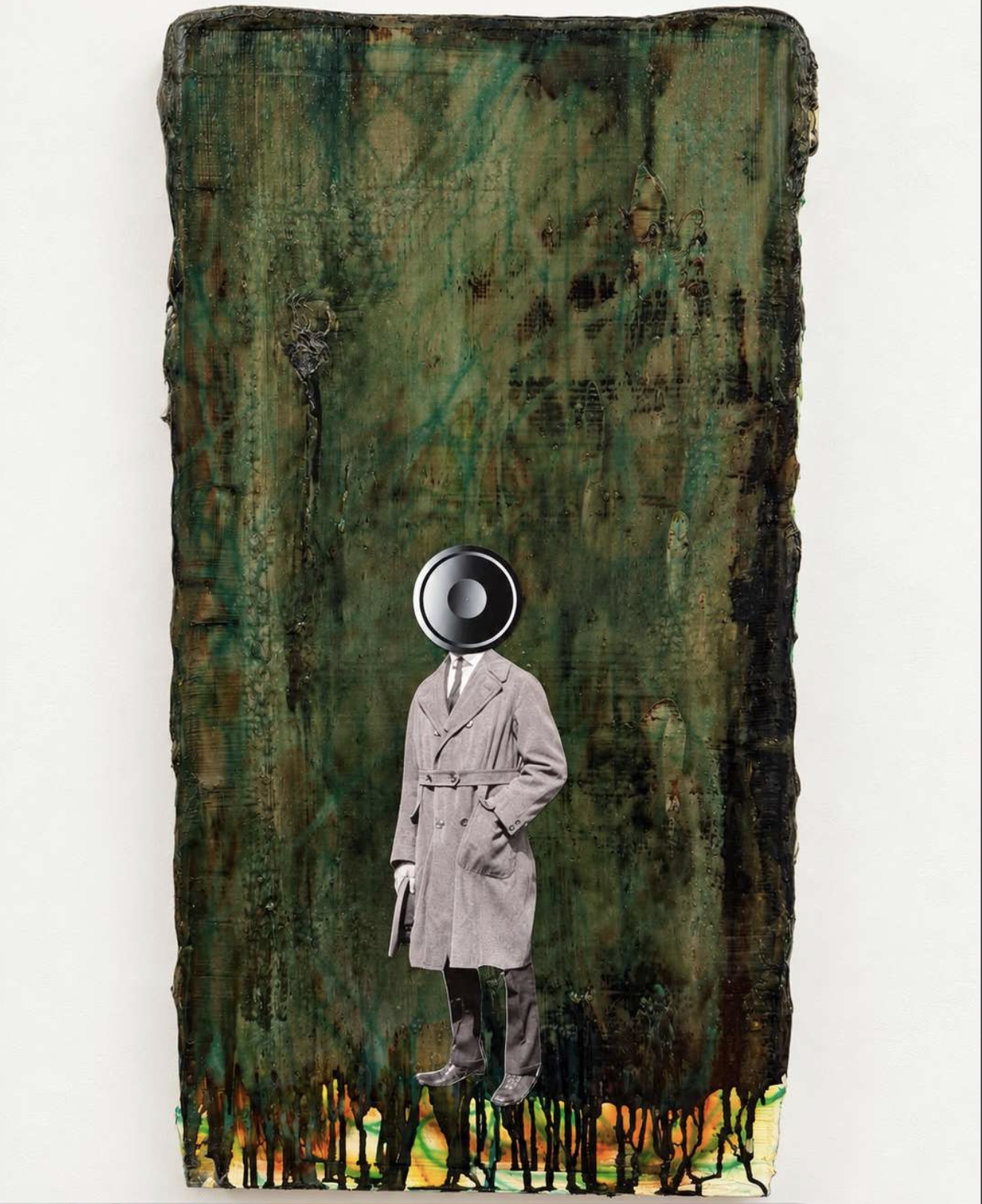
Vladimír Houdek
Bez názvu, 2026
Akryl, tuš a koláž na plátne
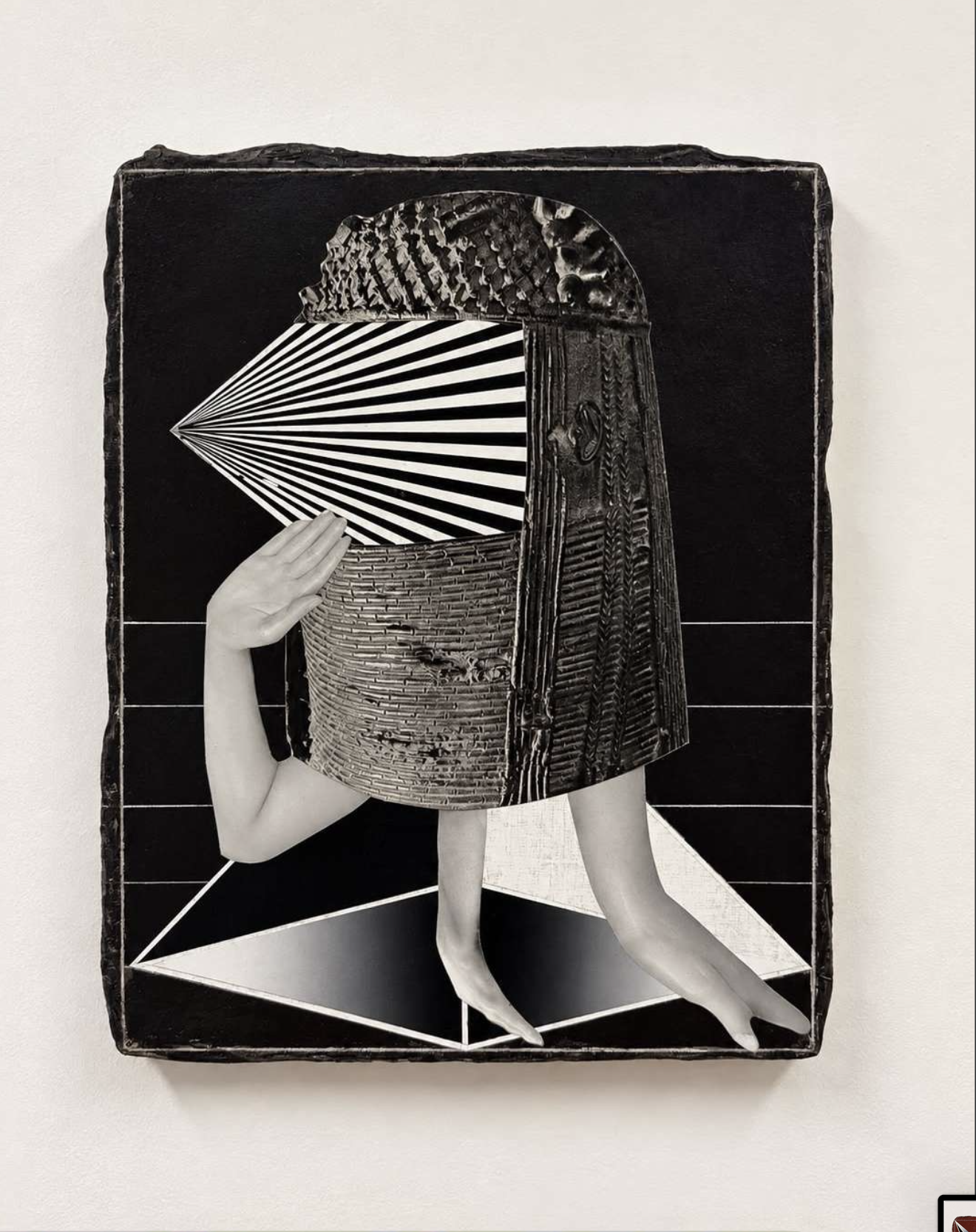
Vladimír Houdek
Bez názvu, 2019
Akryl, voskový pastel a koláž na plátne
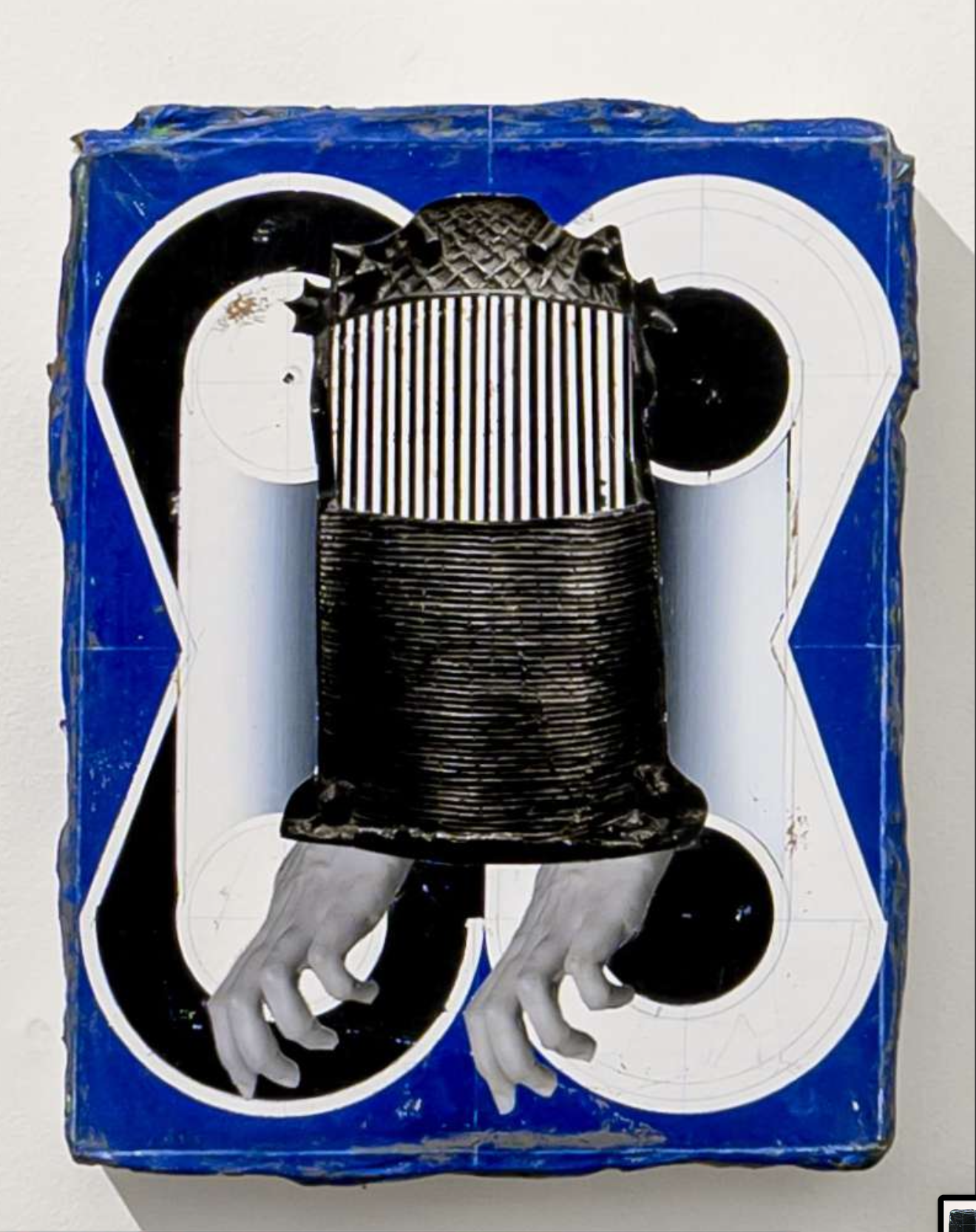
Vladimír Houdek
Bez názvu, 2019
Akryl, voskový pastel a koláž na plátne
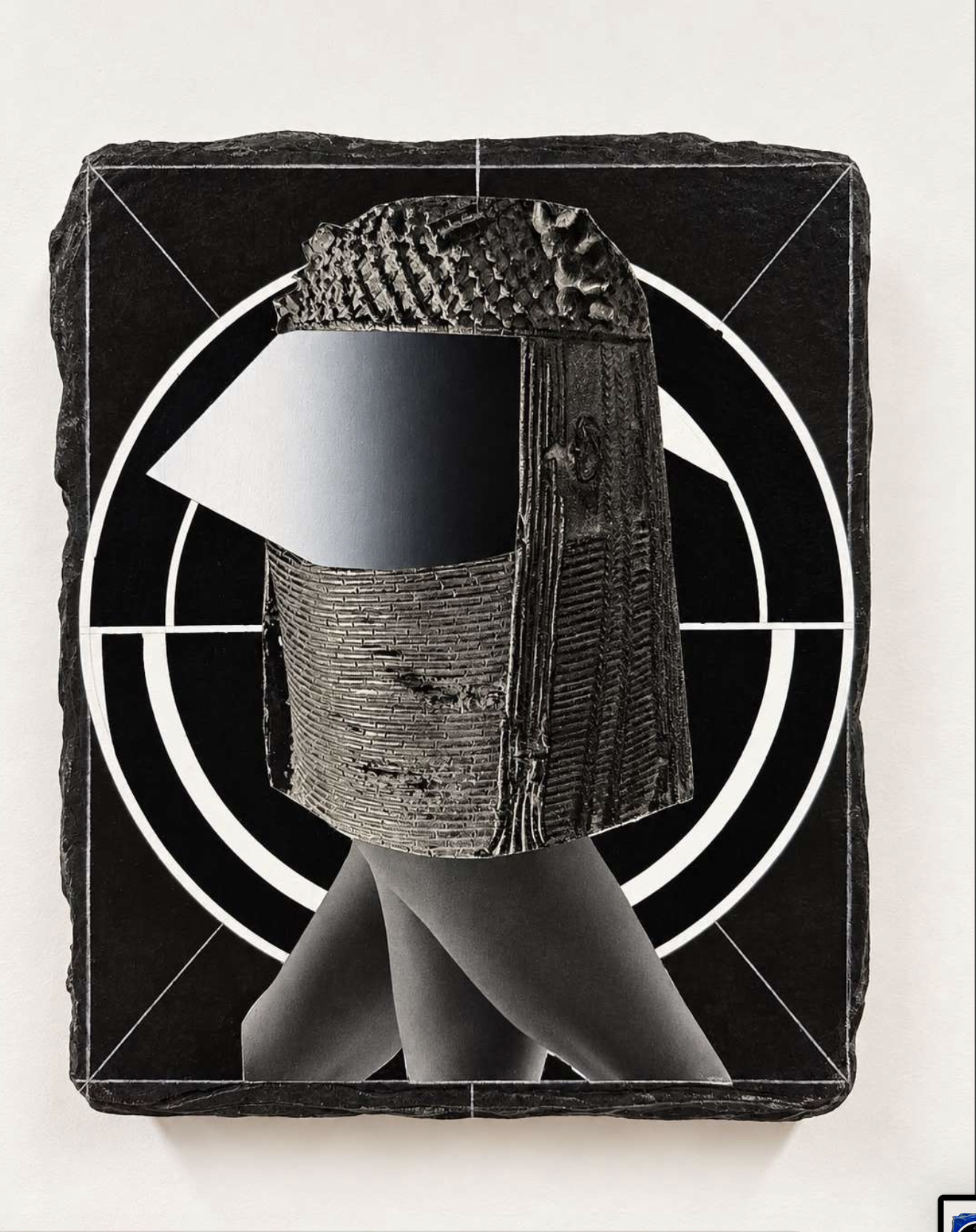
Vladimír Houdek
Bez názvu, 2019
Akryl, voskový pastel a koláž na plátne
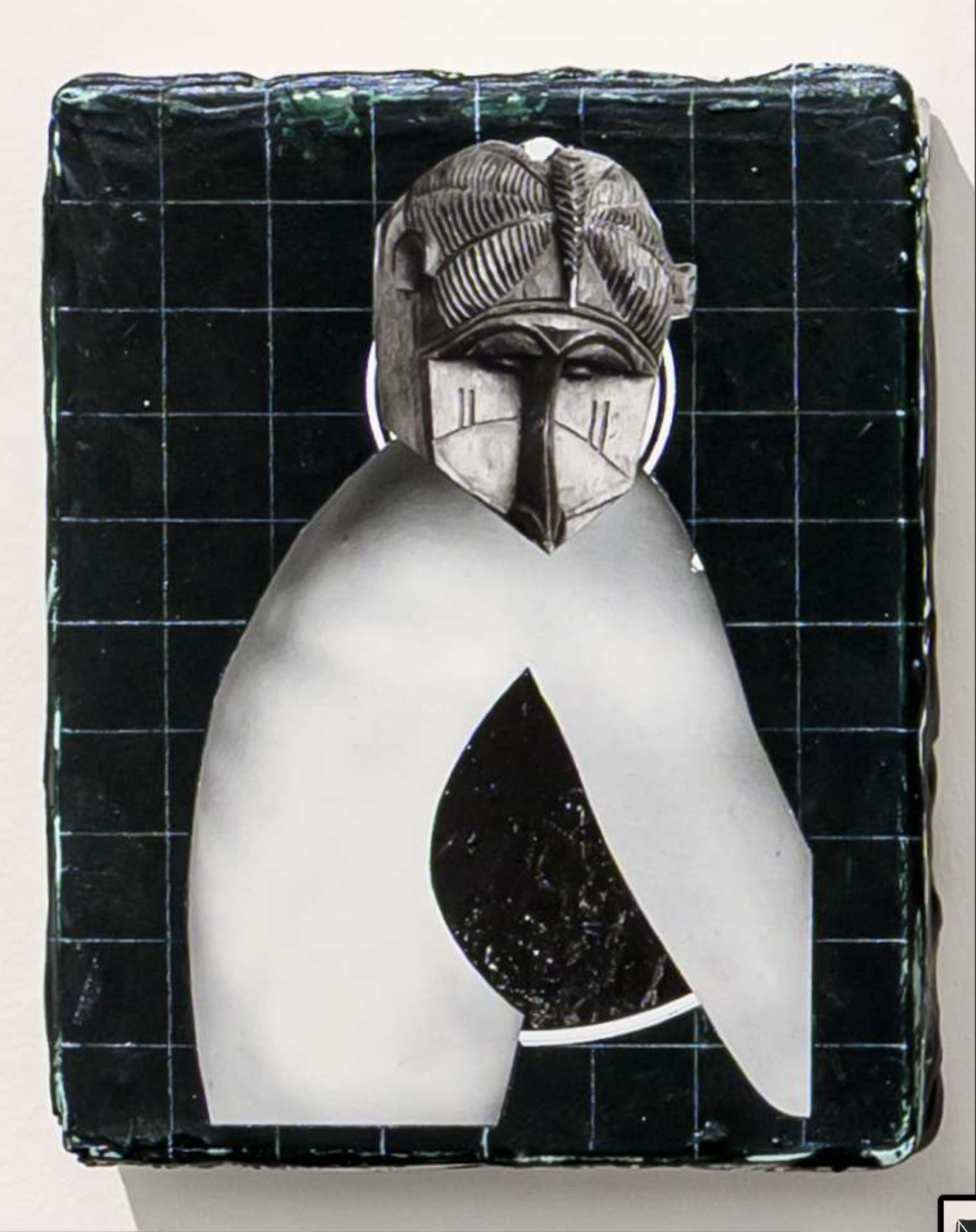
Vladimír Houdek
Bez názvu, 2018
Akryl, voskový pastel a koláž na plátne
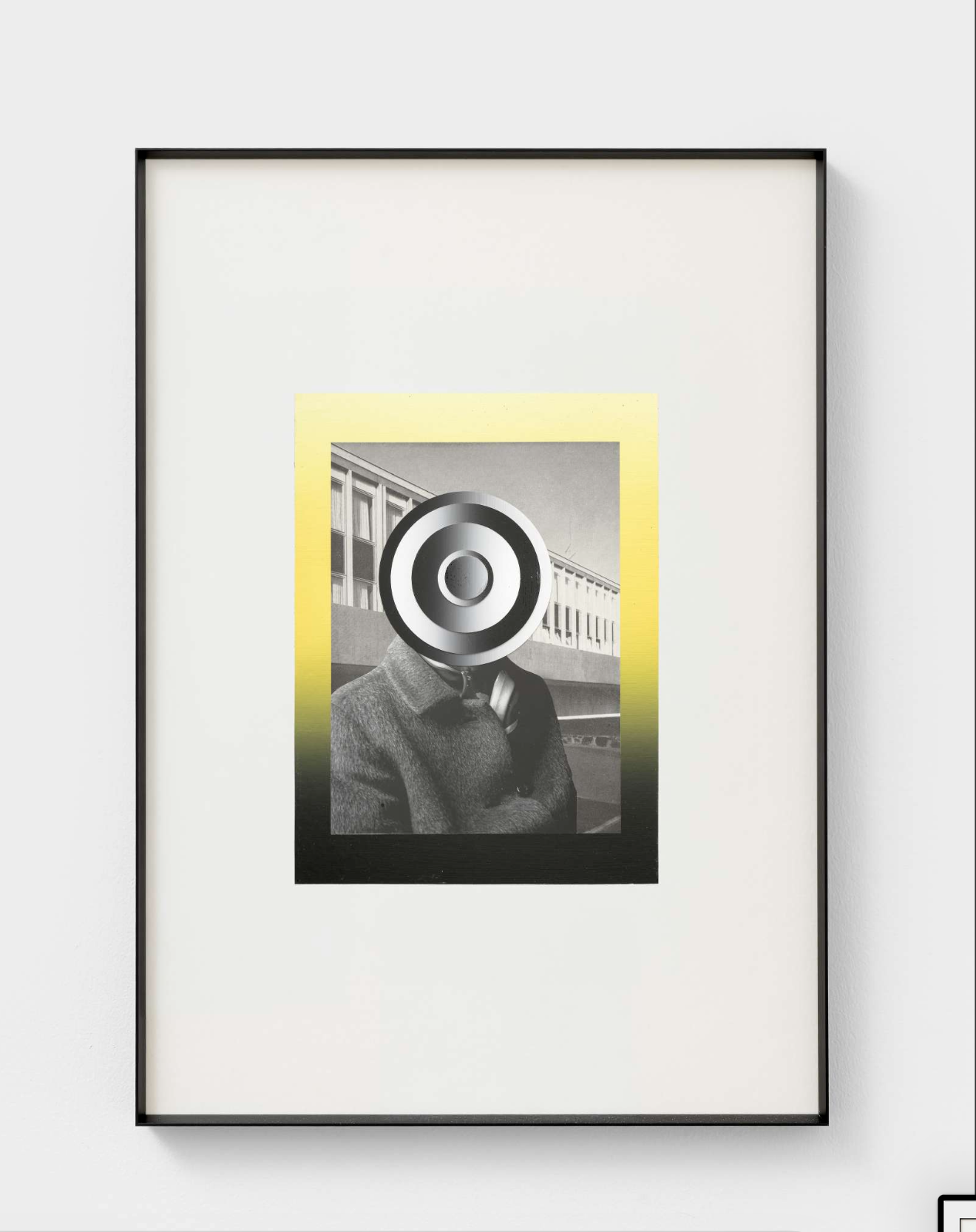
Vladimír Houdek
Bez názvu, 2026
Koláž na papieri, rámované
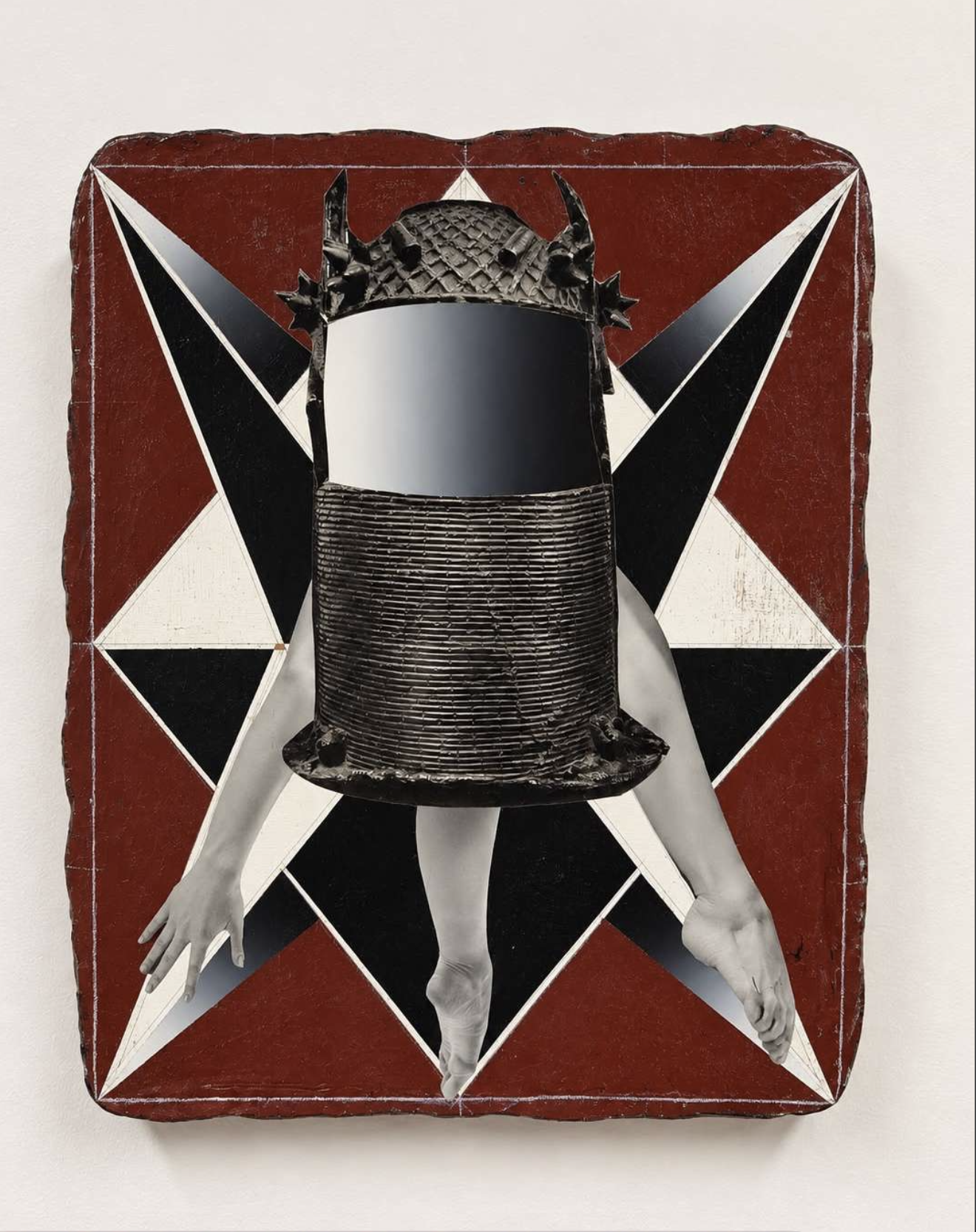
Vladimír Houdek
Bez názvu, 2019
Akryl, voskový pastel a koláž na plátne
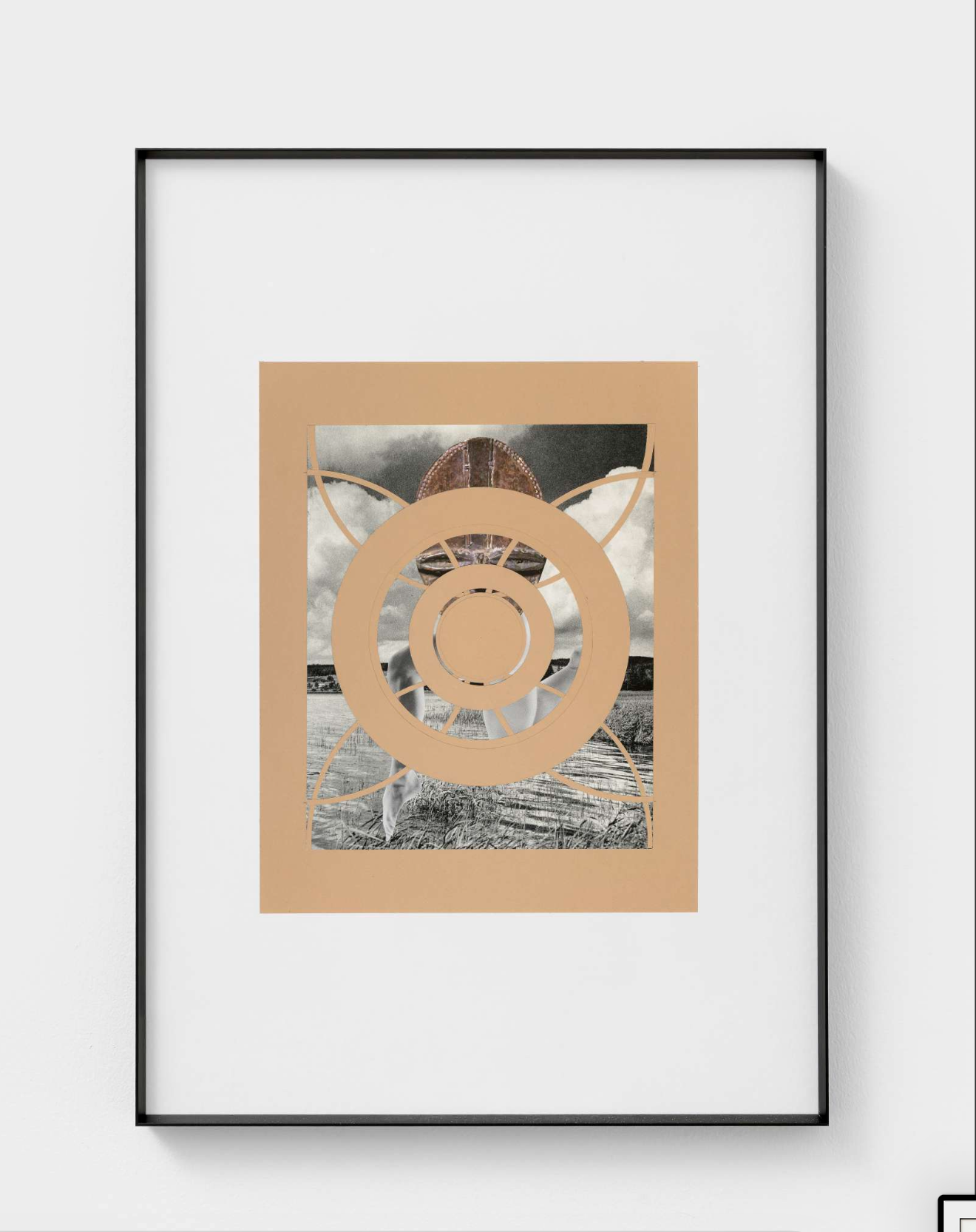
Vladimír Houdek
Bez názvu, 2026
Koláž na papieri, rámované
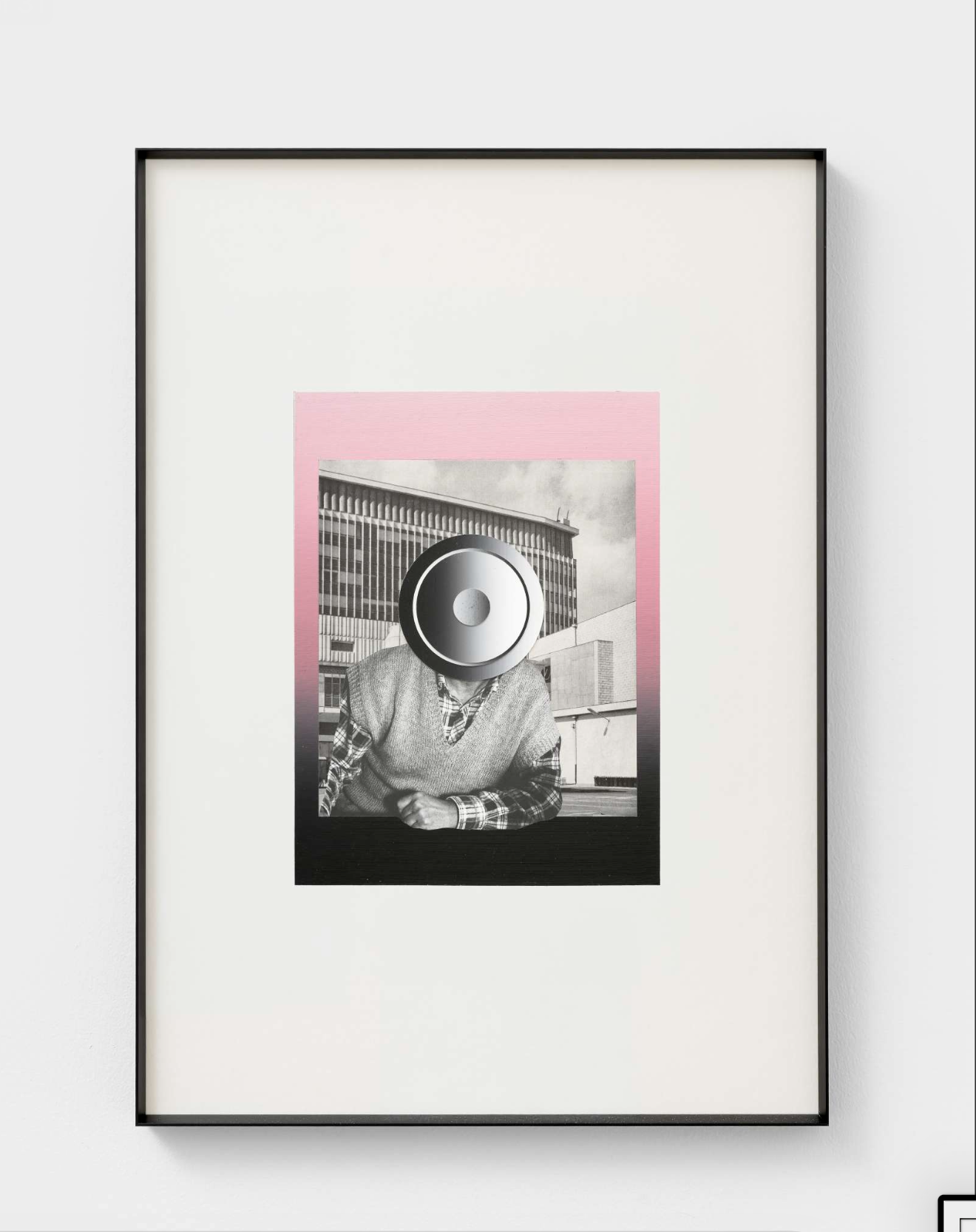
Vladimír Houdek
Bez názvu, 2026
Koláž na papieri, rámované
Installation views